
Discover. Connect. Shape.
Discover. Connect. Shape.
My approach to communications began taking shape in an unexpected place, at the intersection of art and science.
While working at Meredith College, I served as an academic technology liaison for the Department of Art and was later assigned to support the School of Natural and Mathematical Sciences as well. Working across these disciplines gave me an opportunity to observe how artists and scientists approached their work, the questions they asked, and the ways they explored and interpreted the world.
What began as two areas of professional responsibility became something more significant. I started recognizing connections between disciplines that are often considered separate.
Both involve observation, curiosity, experimentation, pattern recognition, and discovery. Both seek to understand relationships and reveal something that might otherwise go unnoticed.
That realization changed how I began thinking about my own work.
My career has given me a deep understanding of how communication is developed, produced, and experienced. I've worked with visual design, photography, digital media, marketing, education, and organizational communications.
I have learned to recognize patterns, relationships, and how design shapes perception. My experience in higher education strengthened my appreciation for inquiry, learning, and translating complex information into accessible ideas.
Today, these perspectives shape my approach to strategic communications leadership.
As Director of Communications at First Presbyterian Church of Gastonia, I lead communications strategy, supervise staff, manage the communications budget, and collaborate with organizational leadership through the Communications Committee.
I look beyond individual messages to understand the systems that produce them. How does information move through an organization? How do people encounter and interpret it? What assumptions influence decisions? And what changes would make communication more effective?
I've learned that improving communication often requires changing the underlying process rather than simply producing another message.

Discover. Connect. Shape.
My interest in science and art has profoundly influenced how I think about communication.
Science encourages observation, investigation, and a willingness to question assumptions. Art develops visual awareness, interpretation, and the ability to recognize relationships. Communication brings these perspectives together, creating shared understanding and influencing how people think and act.
I see these disciplines as complementary rather than separate.
This interdisciplinary perspective is also shaping my graduate studies in communication, where I'm exploring questions about perception, aesthetics, meaning-making, and media effects.
I think of this emerging framework as SciArtCom: Science, Art, and Communication. Together, these shape the way I approach complex problems, creative opportunities, and organizational challenges.
My experience has taught me that effective communications leadership requires more than strong messaging or compelling design.
It requires understanding people, recognizing organizational relationships, questioning assumptions, and making thoughtful strategic decisions.
I bring both the creative expertise to understand how communication is produced and the strategic perspective to recognize when the process itself needs to change.
Whether I'm developing a communications strategy, improving a workflow, guiding a team, or translating complex ideas, my approach begins with curiosity and leads toward purposeful action.
Discover. Connect. Shape.
Three principles that connect my professional experience, interdisciplinary interests, and approach to leadership.
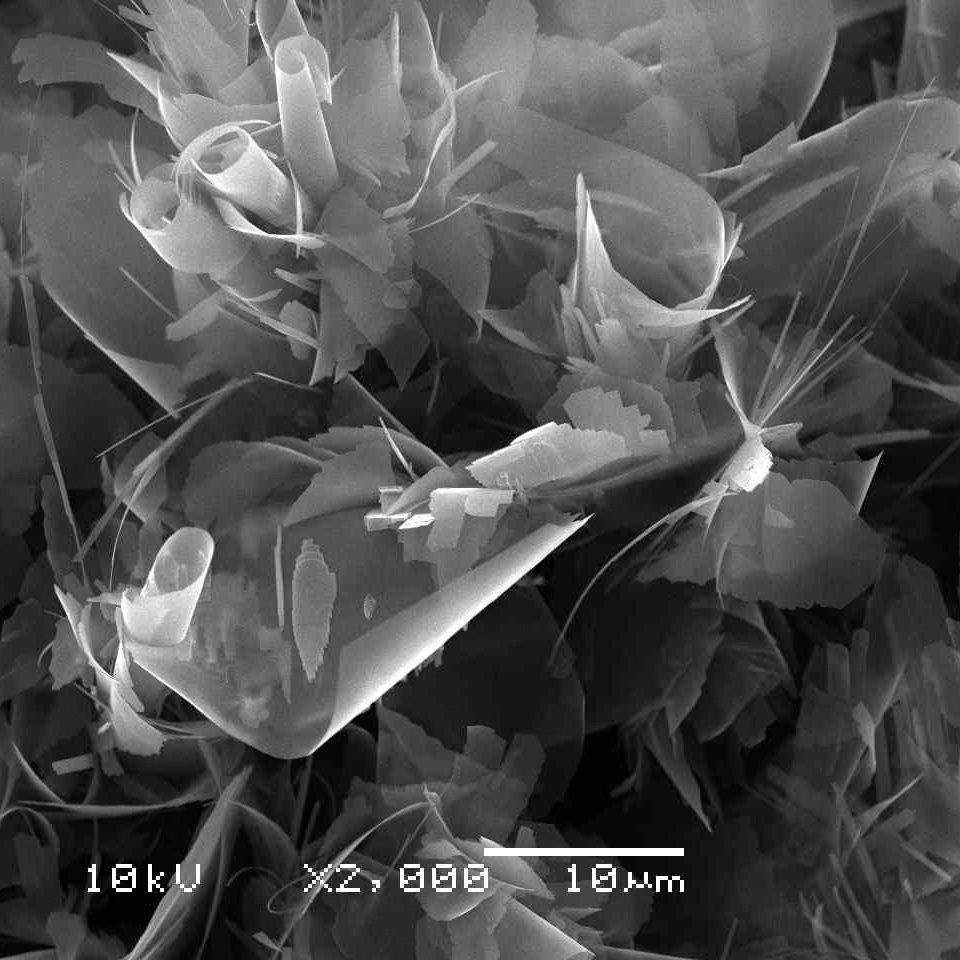
Discover. Connect. Shape.
These three principles reflect how I approach problems, develop strategies, and create meaningful connections between people, ideas, and organizations.
We need your consent to load the translations
We use a third-party service to translate the website content that may collect data about your activity. Please review the details in the privacy policy and accept the service to view the translations.